
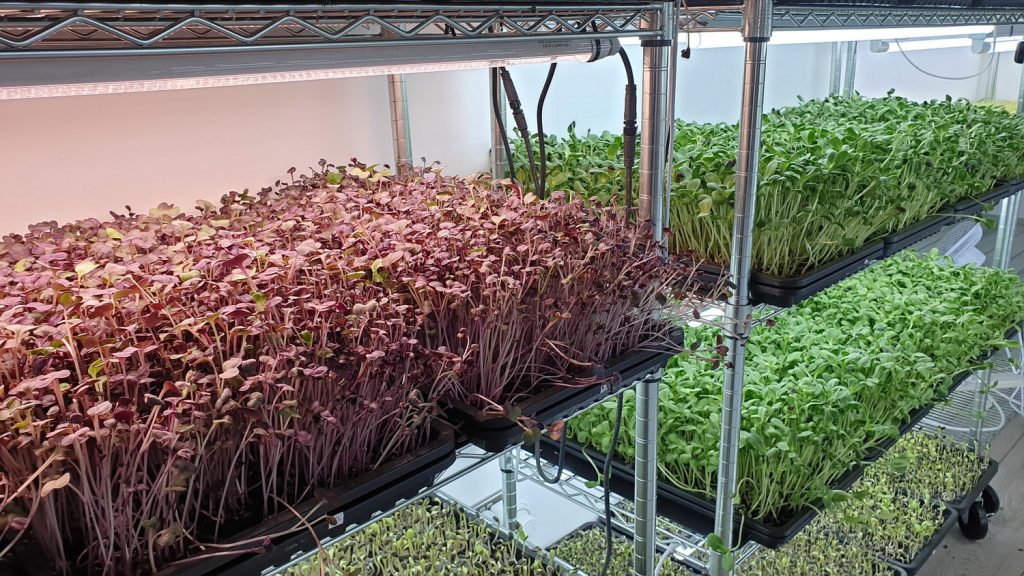
In a world where farming is often tied to acres of land and heavy machinery, a quiet revolution is growing in trays, in greenhouses, and even on balconies.
Welcome to the world of microgreens, tiny plants with mighty potential and the next big thing in Kenyan agribusiness.
If you’re a young hustler, a foodie, a health-conscious Kenyan, or just someone looking for a fresh, profitable venture, microgreens might just be the smart green move you didn’t know you needed.
First, What Are Microgreens?
Microgreens are young vegetable greens, somewhere between sprouts and baby leaves. They’re harvested 7 to 21 days after germination and are packed with flavor, color, and 4 to 40 times more nutrients than mature plants.
Common varieties grown in Kenya include:
- Sunflower
- Kale
- Beetroot
- Radish
- Broccoli
- Mustard
- Pea shoots
And they’re not just pretty garnishes anymore; restaurants, health stores, and chefs are all asking for them.
Why Microgreens Make Agribusiness Sense in Kenya
- Low Startup Cost
Forget tractors and huge land leases. All you need is:
- Trays or recycled containers
- Soil or a growing medium
- Seeds (affordable & accessible)
- Water + light
You can start with under KSh 10,000, right from your backyard, rooftop, or balcony.
- Fast Growth, Fast Cash
You don’t wait months. Harvest in 7–14 days, package, and sell.
You can even run 2–4 growing cycles per month!
“It’s like farming with the speed of business,” says Mark, a 26-year-old urban farmer in Thika who supplies microgreens to 3 restaurants.
- Small Space, Big Returns
A 1m x 1m growing rack can hold multiple trays, producing greens worth KSh 2,000–5,000 weekly, depending on your market.
Ideal for:
- Youth in towns
- Stay-at-home moms
- Hobby farmers looking to scale
Who’s Buying Microgreens in Kenya?
- Health food lovers looking for superfoods
- Restaurants (especially in Nairobi, Mombasa, Nanyuki)
- Organic markets and CSAs
- Other farmers for transplanting
“Our biggest struggle is not growing them, it’s meeting demand,” says Shiku, a microgreens grower selling via Instagram.
Selling Smart: How to Market Microgreens
Microgreens are visually beautiful; use that to your advantage!
- Share time-lapse videos of your growth process
- Package in eco-friendly boxes or containers
- Brand yourself as “urban farm-to-table”
- Offer free tastings at markets or restaurants
- Collaborate with fitness coaches, nutritionists, and chefs
And don’t forget: Instagram and WhatsApp are your best friends.
What Challenges Should You Expect?
- Moisture control (mold can ruin a crop)
- Lighting, especially during rainy seasons
- Timing harvests right to avoid wilting
- Finding steady buyers early on
But with a little consistency and learning, it becomes second nature.
If you’re looking for a modern farming venture that fits your lifestyle and doesn’t demand massive land or loans, microgreens could be your entry point into agribusiness.
Because in Kenya today, the farmer of the future doesn’t always wear gumboots. Sometimes, they wear sneakers and carry a tray.