
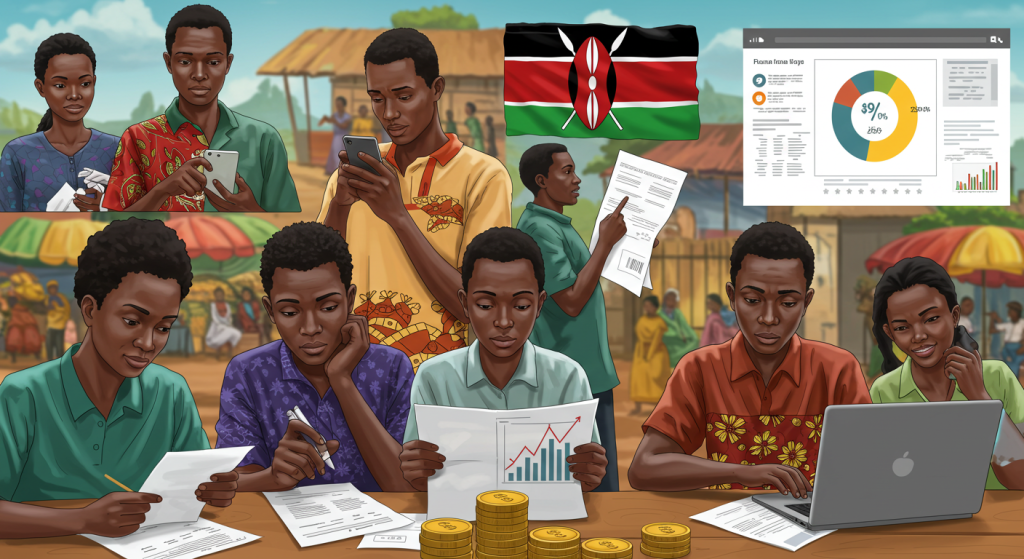
In 2025 Kenya, being financially smart is no longer optional — it’s survival. Food prices are climbing, rent is biting harder, school fees are heavier, and many people are stuck with the same income they had five years ago. But even in this tough economy, some Kenyans are thriving. How? They’re becoming financially woke — investing wisely, managing their money intentionally, and depending on God’s wisdom to guide their financial paths.
Here’s what that looks like on the ground:
1. Wanjiku’s 1/8 Acre Miracle Farm
Wanjiku, a school teacher in Nakuru, turned her backyard into a vegetable garden. She grows sukuma, onions, and spinach — enough for her family and neighbors. What started as a hustle saves her Ksh 1,500 per month in groceries and now earns her an extra Ksh 4,000 monthly.
Lesson: Start with what you have. Agriculture — even small-scale — is still one of the most accessible investments.
“She considers a field and buys it… out of her earnings she plants a vineyard.” – Proverbs 31:16
2. Brian’s Digital Hustle: From M-Pesa to Millions
Brian, a 29-year-old in Kisumu, started a small M-Pesa kiosk with savings from his boda boda job. He later added phone accessories and a digital TV subscription service. Today, his side hustle earns him more than his main job.
Lesson: Stack your income streams. Find a way to expand your current hustle or merge two services into one location to cut overhead.
3. Janet’s Chama Empire
Janet and 12 friends formed a chama. Every month, they each contribute Ksh 5,000. In two years, they’ve bought land in Juja, invested in a water project, and are now developing rental bedsitters. Together, they now control over Ksh 1.5 million in investments.
Lesson: You don’t need to start big — just start together. Collective investment works when there’s trust, structure, and shared vision.
“Two are better than one, for they have a good return for their labor.” – Ecclesiastes 4:9
4. Kevin’s SACCO Strategy
Kevin, a junior accountant, saves Ksh 10,000 monthly in a SACCO. In 18 months, he qualified for a loan worth 3x his savings and started an Airbnb unit in Syokimau using the funds. He’s already repaid half the loan and is planning for his second unit.
Lesson: Use SACCOs as leverage — not just for saving but to access low-interest capital.
5. Digital Investments on a Budget
Susan uses mobile apps like M-Akiba, Hisa, and Ndovu to invest in government bonds and local company stocks — all with less than Ksh 1,000. She’s not chasing quick returns, but she’s learning while earning.
Lesson: You don’t need tens of thousands to start investing. Start with what you have, and grow with consistency and knowledge.
How You Can Become a Smart Investor Too
1. Start Small, Start Now
Don’t wait to be rich. Even Ksh 100 can be a seed when invested with purpose.
2. Track Every Shilling
Know where your money goes. Budget. Cut unnecessary expenses. Redirect the savings into income-generating activities.
3. Invest in What You Understand
Don’t invest in things you don’t fully get. Avoid scams. Do due diligence.
4. Collaborate to Grow
Join trusted investment groups, SACCOs, or cooperatives. Pooling resources lowers risk and increases access.
5. Pray Before You Pay
Ask God to show you where to put your money. Divine direction can save you from losses.
“Commit your plans to the Lord, and they will succeed.” – Proverbs 16:3
Final Thought:
Being financially woke isn’t just about chasing money — it’s about being a wise steward. It’s aligning your financial goals with God’s wisdom, being practical with your income, and investing for tomorrow. Remember: God blesses the faithful and the diligent, even in seasons of famine.
“Isaac planted crops in that land and the same year reaped a hundredfold, because the Lord blessed him.” – Genesis 26:12