


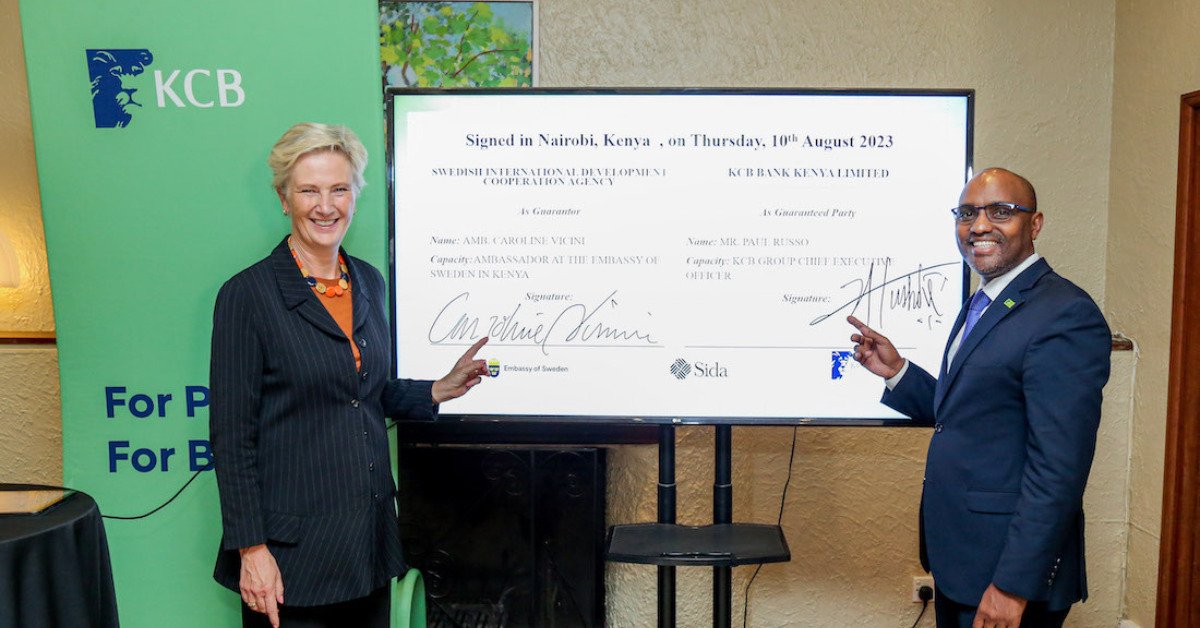
A credit guarantee is a financial mechanism where a guarantor—typically a government, financial institution, or development agency—pledges to cover a portion of the lender’s risk in case the borrower defaults. Essentially, it provides a safety net for lenders, encouraging them to extend credit to businesses that may otherwise be deemed too risky.
In Kenya, the Credit Guarantee Scheme (CGS), introduced by the government in partnership with commercial banks, is one such initiative. It aims to support SMEs by reducing the perceived risk for lenders, thus enhancing their willingness to offer loans.
How Does a Credit Guarantee Work?
- Partnership Between Guarantors and Lenders
The guarantor collaborates with banks and other financial institutions, agreeing to cover a percentage (e.g., 25%-75%) of the loan amount if the borrower defaults. - SMEs Apply for Loans
SMEs apply for loans through participating lenders. The credit guarantee ensures that even SMEs without sufficient collateral or credit history can qualify. - Risk Sharing
In case of default, the guarantor compensates the lender for the agreed portion of the loan, minimizing losses and promoting further lending.
Benefits of Credit Guarantees for SMEs in Kenya
- Increased Access to Credit
Many SMEs struggle to secure loans due to lack of collateral or a weak credit history. Credit guarantees lower these barriers, enabling more businesses to access funding. - Lower Interest Rates
By reducing the risk for lenders, credit guarantees can result in more favorable loan terms, including lower interest rates for SMEs. - Encouragement of Startups and Innovation
Startups and young businesses often face higher scrutiny from lenders. Credit guarantees give these businesses a better chance to secure funding and grow. - Support During Economic Downturns
In challenging times, such as the COVID-19 pandemic, credit guarantees provide a safety net that ensures SMEs can continue to access necessary funding for survival. - Promotion of Inclusive Growth
Credit guarantees help underserved groups, including women-owned businesses and rural entrepreneurs, access financial resources.
Challenges of Credit Guarantees in Kenya
While the credit guarantee system is beneficial, some challenges remain:
- Limited Awareness
Many SMEs are unaware of credit guarantee programs and how to leverage them effectively. - Administrative Hurdles
Complex loan application processes can deter SMEs from applying for guaranteed loans. - Sustainability Concerns
Funding for credit guarantee schemes often relies on government or donor support, which may not always be consistent.
Enhancing the Impact of Credit Guarantees
To maximize the benefits of credit guarantees, stakeholders can take the following steps:
- Increased Awareness Campaigns
Educate SMEs about credit guarantee programs through targeted outreach and financial literacy programs. - Simplified Processes
Streamline loan applications and reduce bureaucratic red tape to make it easier for SMEs to access credit. - Expanded Partnerships
Include more financial institutions, including microfinance and SACCOs, in the scheme to widen its reach. - Monitoring and Evaluation
Regularly assess the effectiveness of credit guarantees to ensure they meet the needs of SMEs and remain financially sustainable.
Conclusion
Credit guarantees are a game changer for SMEs in Kenya, offering them a lifeline to secure much-needed financing. By mitigating lender risks, these guarantees enable SMEs to grow, innovate, and contribute to economic development. As Kenya continues to promote inclusive financial systems, credit guarantees will play an increasingly vital role in empowering its private sector.