
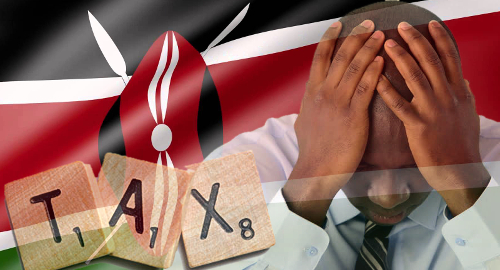
Kenya, East Africa’s economic hub, has been grappling with the challenge of high taxation for decades. Taxation is a cornerstone of any government’s revenue system, crucial for funding public services such as infrastructure, education, and healthcare. However, in Kenya, the balance between generating revenue and fostering economic growth remains contentious. High taxation, while essential for government operations, has sparked debates about its impact on businesses, individuals, and the overall economy.
Current Taxation Landscape
Kenya relies on various taxes, including income tax, value-added tax (VAT), excise duty, and corporate tax, to generate revenue. As of 2024, Kenya’s tax revenue contributes approximately 16-18% of its GDP, which aligns with other developing countries. However, frequent tax hikes, including increased VAT rates and excise duties, have placed a heavy burden on citizens and businesses alike.
The Finance Act 2023, for instance, introduced controversial tax measures such as an increased housing levy, higher VAT on petroleum products, and excise duty on digital content creation. These measures have been met with widespread criticism, including public protests, as they have led to increased costs of living and production.
Impact on Businesses
Kenya’s private sector, particularly small and medium enterprises (SMEs), bears the brunt of high taxation. SMEs, which constitute about 80% of the country’s businesses, face challenges such as:
- Reduced Profit Margins: High corporate taxes and VAT increase operational costs, squeezing profit margins.
- Stunted Growth: The financial strain discourages investment in expansion and innovation.
- Informal Sector Growth: Many businesses opt to operate informally to avoid taxes, undermining the government’s revenue collection efforts.
Large corporations, while better equipped to handle tax obligations, often resort to strategies like tax avoidance or relocation to more tax-friendly countries, depriving Kenya of critical investment and job creation.
Impact on Individuals
For ordinary Kenyans, high taxation exacerbates the cost-of-living crisis. Key effects include:
- Increased Cost of Goods and Services: VAT hikes directly affect the prices of essentials such as fuel, food, and transportation.
- Reduced Disposable Income: High personal income taxes leave less money for savings or discretionary spending.
- Erosion of Purchasing Power: Inflation, coupled with high taxes, diminishes citizens’ ability to afford basic needs.
Government’s Perspective
The Kenyan government argues that high taxation is necessary to bridge fiscal deficits and fund development projects. The country’s public debt, estimated at over KSh 9 trillion as of 2023, has left limited fiscal space, necessitating aggressive tax measures. Infrastructure projects, healthcare programs, and the ambitious Big Four Agenda require significant funding, much of which relies on taxation.
Criticism and Recommendations
Critics contend that high taxation reflects systemic inefficiencies, including corruption, wastage, and tax evasion. The government is urged to adopt measures such as:
- Broadening the Tax Base: By formalizing the informal sector, the government can increase tax revenue without overburdening existing taxpayers.
- Enhancing Compliance: Simplifying tax procedures and reducing bureaucracy can encourage compliance among businesses and individuals.
- Reducing Waste and Corruption: Addressing corruption and improving public financial management would ensure that tax revenue is used effectively.
- Promoting Economic Growth: Policies that stimulate investment and job creation would increase the taxable income pool, offsetting the need for high tax rates.
Conclusion
While taxation is essential for Kenya’s development, striking the right balance is critical. High taxation, if unchecked, risks stifling economic growth, driving businesses underground, and eroding citizens’ welfare. The government must pursue a comprehensive approach that combines efficient tax collection with prudent fiscal management to ensure that taxation supports, rather than hinders, the country’s progress. Only then can Kenya achieve sustainable development while maintaining public trust in its tax system.